Sri Lanka is one of the easiest countries in South Asia to travel — small, warm, endlessly varied and used to visitors — but a handful of local realities are worth knowing before you fly. These are the tips we find ourselves giving every guest, from temple dress codes to why the shops shut on full-moon days.
Before you fly: paperwork and expectations
Most nationalities need an Electronic Travel Authorisation (ETA) arranged before arrival, applied for online in a matter of minutes. Fees, eligibility and rules change from time to time, so check the official government sources yourself and apply directly rather than through lookalike agencies that charge for the privilege. As a rule of thumb, your passport should be valid for six months beyond your arrival date, and it is worth carrying a printed copy of your ETA confirmation and your first night's address for the immigration desk.
Money, cards and staying connected
The currency is the Sri Lankan rupee (LKR). Cards work in cities, larger shops and established tourist businesses, but cash is still king in villages, roadside eateries, tuk-tuks and small guesthouses — keep a day's buffer in your pocket. ATMs appear in most towns but thin out in the hills and rural east, so withdraw before you wander. Airport SIM counters sit a few steps from baggage reclaim: data is inexpensive and coverage is strong along all the main routes. eSIMs arranged before departure work well too.
Temples, dress and photography
Sri Lanka is a devoutly Buddhist country, and the etiquette is simple once you know it:
The rule underneath all of these: temple space is worship space, not a set. Sri Lankans are patient and kind with visitors who get it slightly wrong, but the courtesy is noticed and returned.
- Cover shoulders and knees at every Buddhist and Hindu temple — a sarong or scarf in your day bag solves most situations.
- Remove shoes and hats before entering temple buildings; socks help on hot stone courtyards.
- Never turn your back to a Buddha statue for a photograph, and never pose climbing or lounging on sacred structures, including ancient stupas.
- Ask before photographing people, especially monks, elders and tea pluckers; a smile and a gesture is usually enough, and a thank-you goes far.
- Never pose with wild animals, and skip any attraction that chains, performs or breeds elephants and primates for shows.
Food, water and health
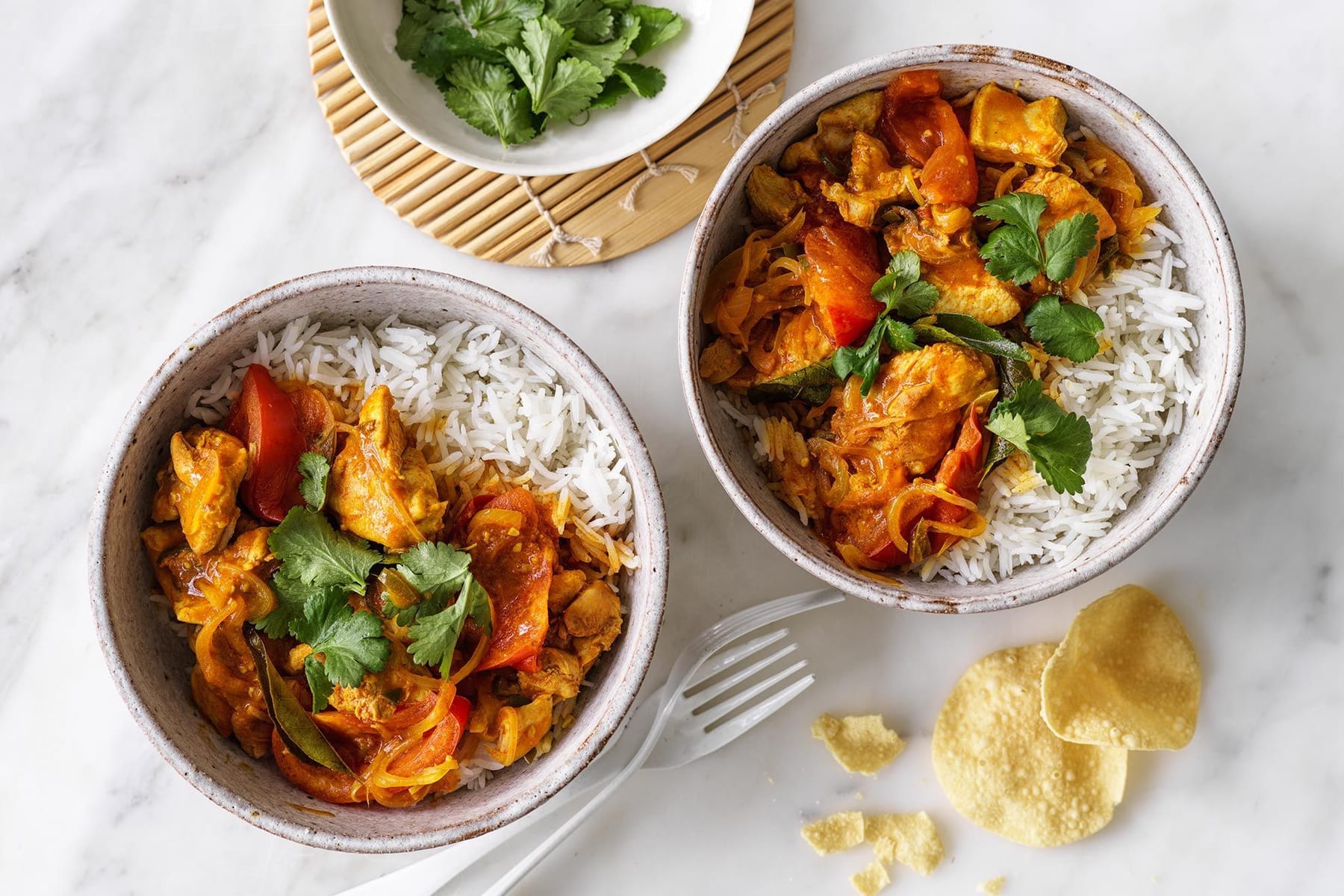
Drink bottled or filtered water — tap water is not for travellers, and your driver will keep a stock in the car. King coconut, sold roadside for pocket change, is the island's own isotonic. The food is often genuinely fiery; 'less spicy, please' works almost everywhere, and vegetarians eat royally — rice and curry, dhal, hoppers, string hoppers and kottu carry the cuisine. Note that alcohol retail closes on poya (full-moon) days and many places also shut on Sundays, though bars and restaurants that already serve alcohol usually stay open.
Two small health notes: the equatorial sun burns even under hill-country cloud, so hats and high-factor sunscreen belong in the day bag; and mosquitoes are keenest at dawn and dusk, so repellent at those hours, plus fans or air-conditioning at night, keeps the bites to a minimum.
Markets, tuk-tuks and haggling
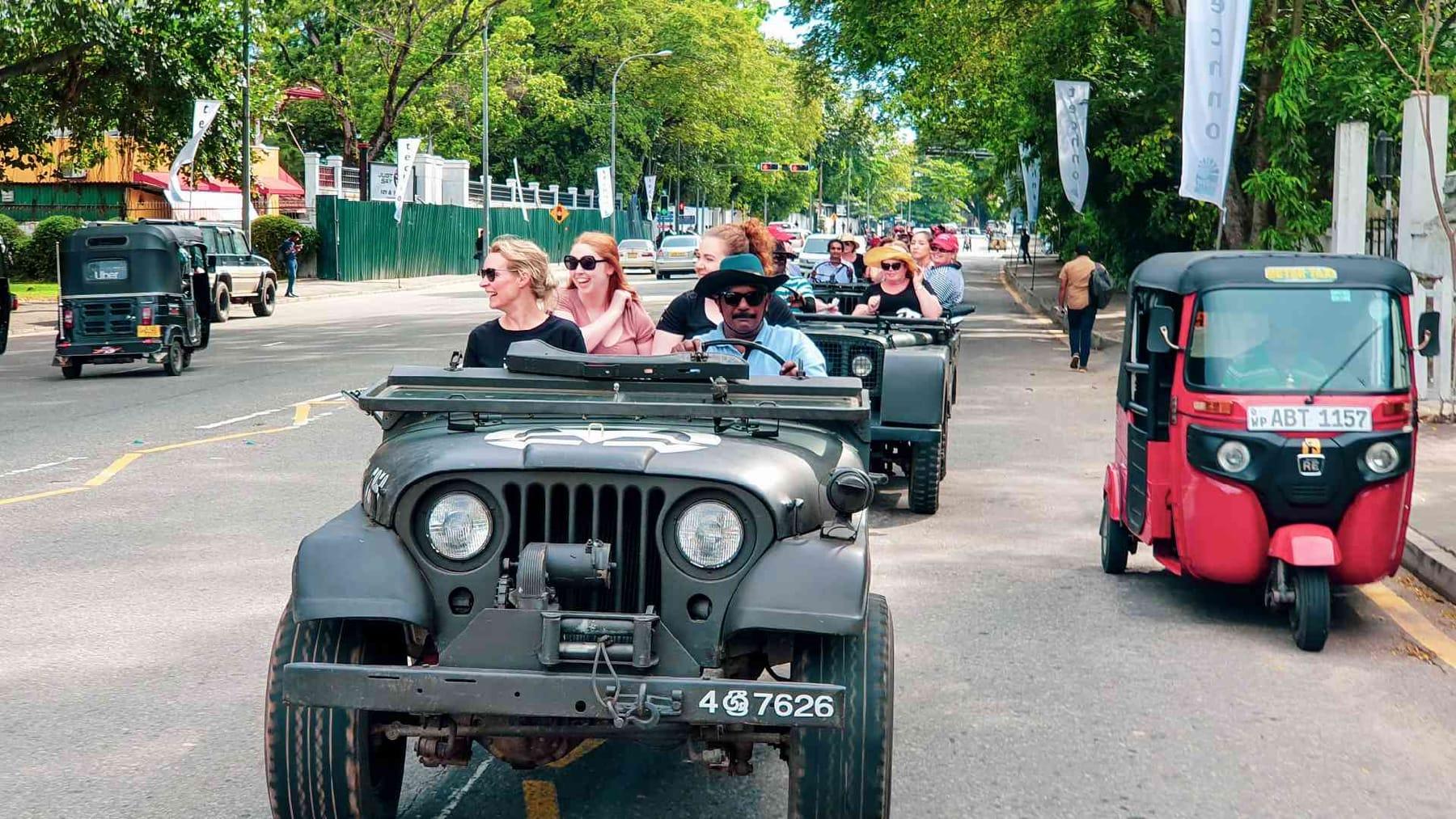
Haggling is expected at markets, fruit stalls and with tuk-tuk drivers — warm, unhurried and done with a smile. Agree the tuk-tuk fare before you roll, or ask for the meter where one exists; ride-hailing apps work well in Colombo and Kandy and remove the negotiation entirely. A fair price is not the lowest price: if a deal feels too sharp, the mangoes at the bottom of the bag will explain it later. In fixed-price shops — pharmacies, supermarkets, most boutiques — nobody haggles, and nor should you.
Travel kindly: elephants and solo women
Elephants are the tender subject. The ethical line is simple: observe wild elephants from a respectful distance on a proper jeep safari, and never ride, feed, bathe with or watch performances by captive ones. Venues that chain elephants or breed them for shows are not sanctuaries, whatever the sign says. Your choices here shape the industry faster than any regulation.
Solo female travel is practical and popular — thousands of women do it every year and report the same mix: warmth, curiosity, and occasional unwanted attention that rarely goes beyond words. The habits that work: dress modestly away from the beach, sit near families on trains and buses, keep your driver's number to hand, and trust your instincts about situations rather than people. A private driver, for what it is worth, removes an entire category of daily logistics.
In summary
None of this is complicated — it is simply local knowledge, and local knowledge is our entire trade. If a question about travelling in Sri Lanka is not answered here, ask us directly; we would rather answer before you fly than hear about it after.
Want this planned for you?
Our specialists turn guides like this into private, chauffeur-driven journeys — tailored to your dates and pace.
Plan Your Journey